

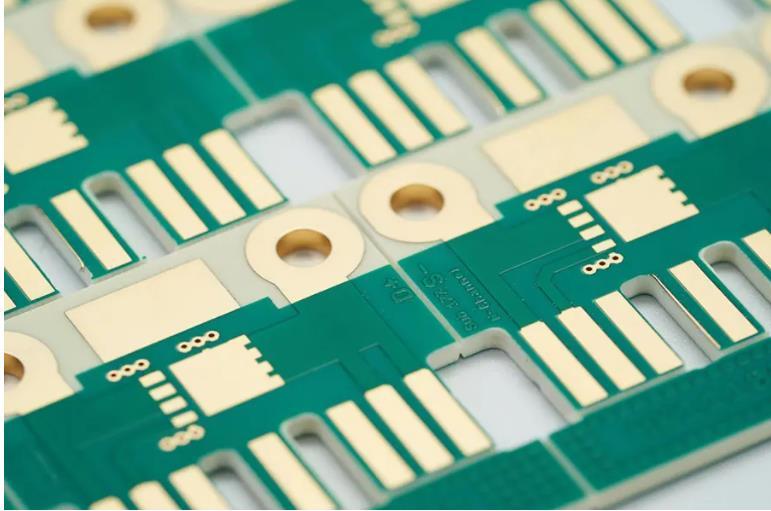
Innovation in Electronics: The Rise of Multi-Layer Thick Copper PCBs
Innovation in Electronics: The Rise of Multi-Layer Thick Copper PCBs Table of Contents 1. Introduction to Multi-Layer Thick Copper PCBs 2. Understanding Thick Copper PCBs 3. Advantages of Multi-Layer Thick Copper PCBs 4. Applications of Multi-Layer Thick Copper PCBs 5. Manufacturing Process of Multi-Layer Thick Copper PCBs 6. Challenges in Manufacturing Multi-Layer Thick Copper PCBs 7. Future Tre
View details
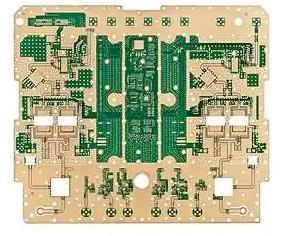
Understanding Multi-Layer Thick Copper PCBs: A Key to High-Performance Electronics
In the world of electronics, the printed circuit board (PCB) serves as a crucial component that connects electronic devices and enables functionality. Among the various types of PCBs, multi-layer thick copper PCBs stand out due to their unique properties and capabilities. These specialized boards are designed for high-performance applications that require superior electrical conductivity, thermal
View details
Maximizing Efficiency: The Importance of Multi-Layer Thick Copper PCBs in Electronics
Maximizing Efficiency: The Importance of Multi-Layer Thick Copper PCBs In the rapidly evolving world of electronics, engineers and manufacturers continually seek innovative solutions to enhance performance and efficiency. One such solution is the implementation of multi-layer thick copper printed circuit boards (PCBs). This article delves into the significance of these advanced circuit boards, hig
View details
Understanding Multi-Layer Thick Copper PCBs: Essential Insights for Electronics Professionals
Multi-layer thick copper PCBs are becoming increasingly prevalent in the electronics industry due to their ability to meet the demands of high-performance applications. These boards, featuring multiple layers of conductive pathways with a thicker layer of copper, offer several advantages that can significantly improve the reliability and functionality of electronic devices. One of the primary bene
View details
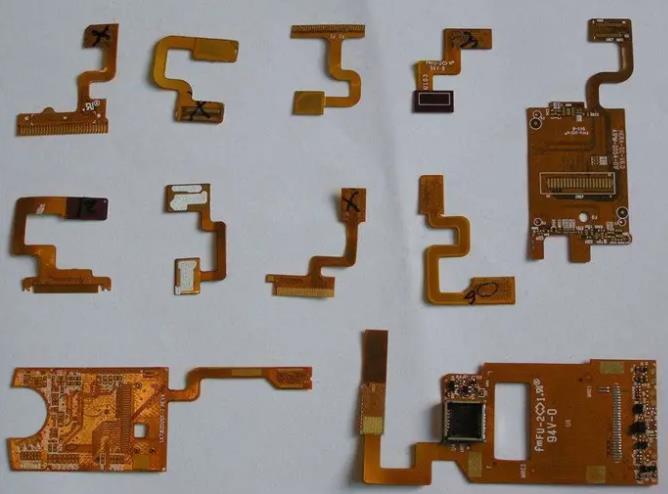
How to Ensure Quality in Multi-Layer Flexible FPC Manufacturing: A Comprehensive Guide
How to Ensure Quality in Multi-Layer Flexible FPC Manufacturing Table of Contents What is FPC? The Importance of Quality in Flexible FPC Manufacturing Key Design Considerations for Multi-Layer FPCs Material Selection: Choosing the Right Components The Multi-Layer FPC Manufacturing Process Quality Assurance Methods in FPC Production Testing Techniques for Ensuring Quali
View details
Understanding Multi-Layer Flexible FPC: Innovations in Electronic Components
In recent years, multi-layer flexible FPCs have emerged as a vital component in the rapidly evolving field of electronics. These circuits are designed to provide flexibility, versatility, and a compact solution for various electronic devices. Unlike traditional rigid circuit boards, multi-layer flexible FPCs can bend, twist, and fold, making them ideal for applications where space is limited or wh
View details
How Multi Layer Flexible FPC Contributes to Sustainable Electronics
How Multi Layer Flexible FPC Contributes to Sustainable Electronics Table of Contents 1. Introduction to Multi Layer Flexible FPC 2. What is Multi Layer Flexible Printed Circuit (FPC)? 3. Benefits of Multi Layer Flexible FPC 4. Sustainability in Electronics: An Overview 5. Eco-Friendly Materials in FPC Manufacturing 6. Key Applications of Multi Layer Flexible FPC 7. Ca
View details
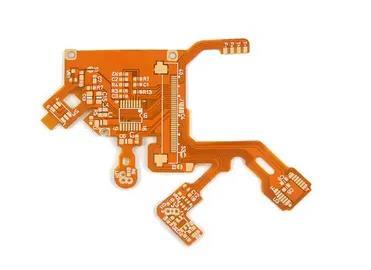
Exploring the Advantages of Multi-layer Flexible FPC in Modern Electronics
Multi-layer flexible FPC technology represents a significant advancement in electronic component design, particularly for applications demanding compactness and versatility. Unlike traditional rigid circuits, multi-layer flexible printed circuits consist of multiple conductive layers that can be bent and shaped to fit intricate spaces in modern electronic devices. This attribute makes them ideal f
View details
Innovative Uses of Multi Layer Flexible FPC in Consumer Electronics
Innovative Uses of Multi Layer Flexible FPC in Consumer Electronics Table of Contents Introduction to Multi Layer Flexible FPC What is Multi Layer Flexible FPC? Advantages of Multi Layer Flexible FPC in Electronics Applications of Multi Layer Flexible FPC in Consumer Electronics Smartphones and Tablets Wearable Devices Home Appliances
View details

Understanding Thermoelectric Separation in Copper-Based Electronics
Thermoelectric separation is a process that utilizes temperature differences to generate electrical energy or facilitate the separation of charge carriers. In the context of copper-based materials, this technique leverages the unique properties of copper, such as its excellent thermal and electrical conductivity, to enhance efficiency and performance in various electronic applications. One of the
View details
Phone: 13528819118
Email: sales@chaoshengpcb-fpc.com
Office address: 101, No.2 Longhe Road,
Longgang District, Shenzhen,
Guangdong, China
(Cha Bajie Headquarters) 2nd Floor
Chaosheng Electronics)
Hong Kong Address: Chungking Mansion,
36-44 Nathan Road, Tsim Sha Tsui, Kowloon,
Hong Kong, China

Sales Department2:616674225
Sales Department销售部:373011007
Tel:+86-13528819118
Email:sales@chaoshengpcb-fpc.com
WhatsApp:13528819118
Skype:pcb-fpcb88@163.com